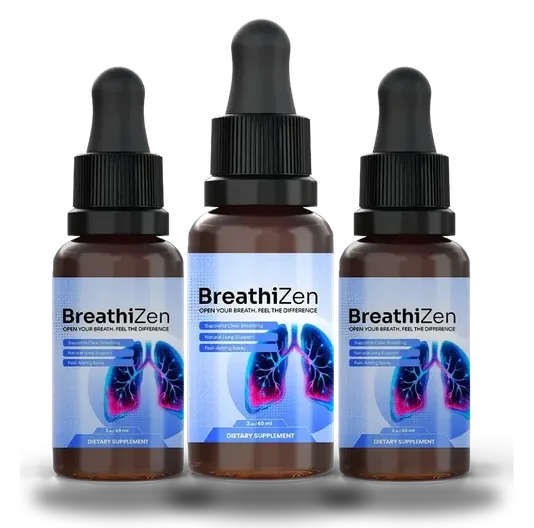
Ginger Root in Breathizen: What It Can and Cannot Do for Lungs
Quick answerGinger root extract is the second ingredient named for Breathizen; its amount per 0.60 mL serving is not published. Ginger is studied mainly for nausea. One lab study found its compounds relaxed airway muscle tissue, but that was not a test in people. In a mouth spray, ginger can also irritate the mouth and throat.
- 60-day satisfaction window
- Shipping cost shown before you pay
Where does ginger sit in Breathizen?
02 of 5- Where it is named
- 2 of 5 on the sales page list
- Amount per daily serving
- Amount not published
- Doses used in studies
- Studied mainly for nausea, not breathing (NCCIH, Ginger)
- Share of the studied dose
- Cannot compare
- Also called
- Zingiber officinale (root)
Ginger root extract is the second name on the Breathizen ingredient list. As with every ingredient in this spray, the amount per serving is not published.
Below we cover what ginger is, what the studies tested and why a spray changes the safety picture. For the whole formula, see the ingredients page.
What is ginger root?
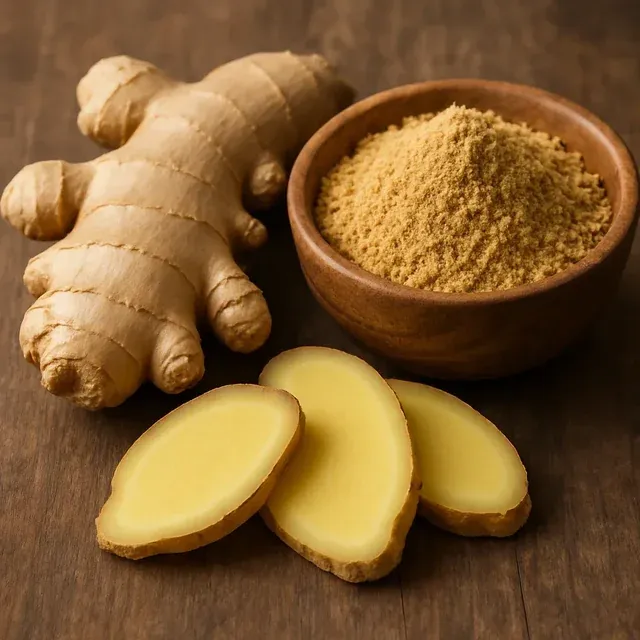
Ginger is the underground stem of a tropical plant called Zingiber officinale. Cooks call it a root, and so do supplement labels. It has a hot, spicy bite that comes from its natural plant compounds.
Most people know ginger from the kitchen. It shows up in stir-fries, baked goods, ginger ale and hot drinks.
- 2ndNamed on the sales page
- 1Lab study on airway tissue
- 0Human breathing trials in our sources
How has ginger been used traditionally?
Ginger has been a food and home remedy for a very long time. Many families reach for ginger tea when they feel sick to their stomach or have a cold.
That habit is the reason ginger appears in many wellness products. A long tradition shows that people trust it. It does not show which uses hold up in studies.
Is ginger good for your lungs? What research shows
The honest answer is that no one knows yet. Most ginger research in people looks at nausea and pain. The NCCIH says ginger may help nausea in pregnancy (NCCIH, Ginger).
For airways, the main study used isolated airway muscle tissue in a lab. Ginger compounds helped the muscle relax (Townsend et al., 2013). That is an early clue for scientists. It is not proof that eating or spraying ginger changes breathing in people.
| Topic | Who or what was tested | Finding | Source |
|---|---|---|---|
| Nausea, including in pregnancy | People | Some evidence it may help | (NCCIH, Ginger) |
| Pain | People | Studied, but not linked to breathing | (NCCIH, Ginger) |
| Airway muscle relaxation | Isolated lab tissue | Muscle relaxed in the dish; not tested in people | (Townsend et al., 2013) |
| Breathing comfort in people | None found | No trial in our sources | No source |
| Breathizen spray itself | None published | No trial of the finished product | No source |
Why mouth and throat irritation matters for a spray
Ginger can irritate the mouth and throat when taken by mouth (NCCIH, Ginger). Heartburn and stomach upset are on the same list. In a capsule, ginger passes the mouth quickly. In an oral spray, it lands right on your tongue and cheeks.
If your mouth is sensitive, pay attention to the first few days. The steps below are a simple way to check.
Does thyme and ginger tea help your lungs?
Thyme and ginger tea is a popular search, but our sources include no study of this pairing for the lungs. We cannot tell you it helps breathing, and we will not guess.
A warm cup can still be a pleasant part of your day. If you enjoy it, there is no reason in our sources to stop. Just do not use tea, or Breathizen, in place of a prescribed inhaler or care plan.
Ginger for lung health: what actually protects your lungs?
The steps with real support are not found in a spice jar. The American Lung Association says your lungs clean themselves (American Lung Association). Its advice is to skip smoking, limit time in polluted air and stay active.
If you smoke, quitting is the single change most likely to help, and the benefits start at any age (CDC, Benefits of quitting). Ginger can sit alongside those habits. It cannot stand in for them.
Habits that protect the lungs
- Do not smoke or vape, and avoid secondhand smoke.
- Check air quality on bad days and limit time outdoors when it is poor.
- Stay active in ways your doctor says are safe for you.
- Take any prescribed lung medicine exactly as directed, and see your doctor about a cough that will not go away.
How much ginger is in Breathizen?
It is not published. The daily serving is 4 pumps, which equals 0.60 mL of liquid. That small amount holds ginger, the four other extracts and the base.
Because the milligrams are missing, we cannot compare the spray with the amounts used in nausea studies. The how it works page explains the morning routine step by step.
Ginger safety and interactions
Ginger is a common food, but supplement forms can still cause problems. Known oral side effects include heartburn, stomach upset and mouth or throat irritation (NCCIH, Ginger).
Keep using any inhaler or prescription exactly as your doctor directed. Other ingredients in the spray carry their own cautions, such as bromelain for pineapple allergy and cordyceps with blood thinners. The side effects page lists them all.
When to get help now
Sudden or severe shortness of breath, chest pain, bluish lips or face, or confusion needs 911, not a supplement (MedlinePlus, Breathing difficulties: first aid).
Who should ask a doctor before using ginger?
Ask first if any of these fit you
- People with frequent heartburn or reflux.
- Anyone with mouth sores or a sensitive mouth or throat.
- Pregnant or nursing women.
- Anyone with asthma, COPD or another lung condition.
- People who take blood thinners, diabetes medicine or any daily prescription.
Ginger tea, capsules, fresh root or spray: how do they compare?
Each form brings ginger into your body in a different way. No form has been shown to help the lungs in people.
| Form | What it is | Amount per serving | Notes |
|---|---|---|---|
| Fresh root | Grated or sliced into food and drinks | You control the amount | Strong, spicy taste |
| Ginger tea | Root or dried ginger steeped in hot water | Varies by cup | Warm and familiar |
| Ginger capsules | Dried root powder or extract | Printed per capsule | Swallowed, so less contact with the mouth |
| Breathizen oral spray | Ginger root extract with four other ingredients | Not published | Sprayed into the mouth, so the mouth and throat get direct contact |
Honest note about ginger in Breathizen
Here is the plain picture. Ginger's lung evidence is a single lab study on tissue, the amount in Breathizen is not published, and the spray has no published trial.
On the plus side, the routine is easy. Four pumps each morning, no capsules, and a 60-day window from purchase if it is not for you.
Which other ingredients share the bottle?
Mullein leaf is named first and has a long folk history in cough teas. Bromelain comes from pineapple, and organic lemon extract is named fourth. Cordyceps militaris closes the list.
Ginger for lungs FAQ: questions people ask
Is ginger good for your lungs?
Human proof is missing. Ginger compounds relaxed airway muscle in a lab study on isolated tissue, but no study in our sources tested ginger for breathing in people.
What are the benefits of ginger root for lungs?
No lung benefit is proven in people. The firmest ginger research covers nausea, including nausea in pregnancy, and some pain studies.
Is ginger good for lung health if you smoke?
Ginger cannot undo smoking damage. Quitting smoking is the step that protects the lungs at any age, and free help is available.
Does thyme and ginger tea help your lungs?
We found no study of thyme and ginger tea for the lungs in our sources. A warm tea can be part of a comfortable routine, but it is not a lung treatment.
Can ginger irritate your throat?
Yes, it can. The NCCIH lists mouth and throat irritation among ginger's side effects when taken by mouth, along with heartburn and stomach upset.
Does ginger help with mucus or cough?
That is a popular belief, not a proven effect. The ginger studies we cite looked at nausea and at lab tissue, not at mucus or cough in people.
How much ginger is in Breathizen?
The amount is not published. The whole daily serving is 4 pumps, or 0.60 mL, and it holds five extracts plus a liquid base.
Can I take ginger with an inhaler?
Keep using your inhaler exactly as prescribed, because ginger does not replace it. Ask your doctor before adding any supplement to a lung treatment plan.
Can you use ginger every day?
Many people eat ginger daily as food. As a supplement, watch for heartburn, stomach upset or mouth irritation, and stop if they appear.
Is ginger safe in pregnancy?
Ginger has been studied for pregnancy nausea, but Breathizen contains four other ingredients too. Pregnant or nursing women should ask their doctor before using the spray.
Ready to try Breathizen?
4 pumps once a day, from $49 a bottle on the 6-bottle pack, with a 60-day satisfaction window. Questions first? Call +1 (302) 200-3480.