How to Breathe Better: A Breathizen Guide to Habits, Warning Signs and Supplements
Quick answerTo breathe better, start with the basics: do not smoke, keep the air around you clean, stay active and learn breathing skills from your care team. With COPD or asthma, follow your treatment plan and ask about pulmonary rehab. Sudden or severe breathlessness needs 911. A supplement such as Breathizen is a small, optional extra, never a stand-in for care.
- 60-day satisfaction window
- Shipping cost shown before you pay
How can you breathe better, starting today?
Better breathing rarely comes from one trick. It comes from steady habits, a clear plan for any lung condition, and knowing when to get help. This guide puts those three things first.
We cover five common situations: living with COPD, running, sleeping, nose breathing and sick days. Then we look at the habits that protect your lungs, the warning signs, and where a supplement such as Breathizen fits. It fits last, and it is optional.
- 5everyday situations covered in this guide
- 911the call for sudden or severe breathlessness
- 0supplements that can replace an inhaler
- 4 pumpsthe whole daily serving of Breathizen
How do you breathe better with COPD?
With COPD, the plan from your care team comes first. The NHLBI describes COPD as a long-term lung disease treated with medicines, pulmonary rehabilitation and quitting smoking (NHLBI, COPD). Each of those has real evidence behind it.
Pulmonary rehab is a supervised program of exercise and education. The team teaches you how to pace yourself, how to use your inhaler well, and how to breathe during effort. Ask your doctor whether you qualify.
Breathing skills rehab teams often teach
One common skill is pursed-lip breathing. You breathe in gently through your nose, then breathe out slowly through lips shaped as if you were about to whistle. Many people find it helps them slow down when they feel winded.
Another is learning to time effort with breath. You breathe out while you push, lift or climb a step. Let a trained therapist show you these, because the right version depends on your lungs.
COPD treatment comes first
Keep using every inhaler and prescribed medicine exactly as directed. No supplement, tea or spray replaces COPD treatment. If your breathing is suddenly much worse than usual, call 911.
How can you breathe better when running?
Breathing hard while you run is normal. Feeling unable to catch your breath at an easy pace is not. The fix is usually pace, warm-up and patience.
Start with five minutes of brisk walking. Then run at a pace where you can still say a short sentence. If you cannot, slow down or walk for a minute. Fitness builds over weeks, and so does comfort.
Cold air, asthma and running
Cold, dry air can make your chest feel tight. A scarf or neck gaiter over the mouth may help on winter runs. If you have asthma, follow the written asthma action plan you made with your doctor (NHLBI, Asthma Action Plan). Carry your rescue inhaler if one is prescribed.
Chest pain, fainting or wheezing that does not settle with rest is a reason to stop and get checked. Do not push through it.
How can you breathe better at night?
Night-time breathing often improves with small changes to the bedroom. Raise your head a little with an extra pillow or a wedge. Keep the room free of smoke, and dust it often.
A blocked nose can push you into mouth breathing, which can leave you with a dry throat by morning. Treat the blocked nose the way your pharmacist or doctor suggests.
Night signs that need a doctor
Loud snoring with pauses in breathing, waking up gasping, or needing to sit up to breathe are not normal. They can point to sleep apnea, heart trouble or a lung problem. Book a visit rather than trying a home remedy first.
How do you breathe better through your nose?
Your nose is built for everyday breathing. It filters dust, warms cold air and adds moisture before air reaches your lungs. That is why breathing through the nose at rest often feels more comfortable.
To practice, sit upright and close your mouth. Breathe in through your nose to a slow count, then breathe out a little longer than you breathed in. Keep it gentle. If you feel dizzy, stop and breathe normally.
During hard exercise, mouth breathing joins in, and that is fine. If your nose is blocked most days, see a doctor. A long-term blockage has causes that need a proper look.
How can you breathe better when you are sick?
A cold or flu can make breathing feel heavy for a few days. Rest, drink fluids and sit upright when your chest feels tight. Warm drinks can soothe a sore throat, even if they do not shorten the illness.
If you have asthma or COPD, a sick day is when your action plan matters most. Follow the yellow-zone or flare steps your doctor wrote down. Call your care team early instead of waiting.
Get medical help if breathing becomes harder, your lips look bluish, or you feel confused. MedlinePlus lists these as emergency signs (MedlinePlus, Breathing difficulty).
The five situations side by side
| Situation | What often helps | Ask your care team about | Get help now if |
|---|---|---|---|
| Living with COPD | Medicines as prescribed, daily activity, no smoke | Pulmonary rehab and pursed-lip breathing | Breathing is suddenly much worse than usual |
| Running | Warm-up, talk-test pace, walk breaks | An exercise plan if you have asthma | Chest pain, fainting or wheezing that will not settle |
| At night | Head raised, clean bedroom air, clear nose | Snoring with pauses, waking up gasping | You cannot breathe lying down or sitting up |
| Through the nose | Slow, gentle nose breathing at rest | A nose that is blocked most days | Swelling of the face or throat |
| When sick | Rest, fluids, sitting upright | Your sick-day or flare steps | Bluish lips, confusion, breathing that keeps getting harder |
Which habits matter most for your lungs?
A few habits do most of the work for your lungs. None of them comes in a bottle.
- 01
Do not smoke, and avoid smoke
Quitting smoking helps at any age and lowers the risk of lung disease (CDC, Benefits of quitting). Keep your home and car smoke-free too.
- 02
Keep the air clean
The American Lung Association points to avoiding pollution as a key way to protect your lungs (American Lung Association, lung detox). Check the local air quality before hard outdoor exercise.
- 03
Stay active
Regular movement keeps the muscles you breathe with in use. Walk, climb stairs or join rehab if you have a lung condition.
- 04
Follow your treatment plan
Take prescribed medicines as directed and keep your written action plan where you can find it.
Which warning signs mean you need help now?
Call 911 for any of these
- Shortness of breath that starts suddenly or is severe
- Chest pain or pressure
- Bluish lips or face
- Confusion or trouble staying awake
- Breathing trouble that does not ease with rest or your rescue inhaler
These signs come from MedlinePlus guidance on breathing difficulty (MedlinePlus, Breathing difficulty). Do not wait to see if a supplement or home remedy helps. Our article on when shortness of breath needs a doctor walks through the less urgent signs too.
Where does Breathizen fit among supplements?
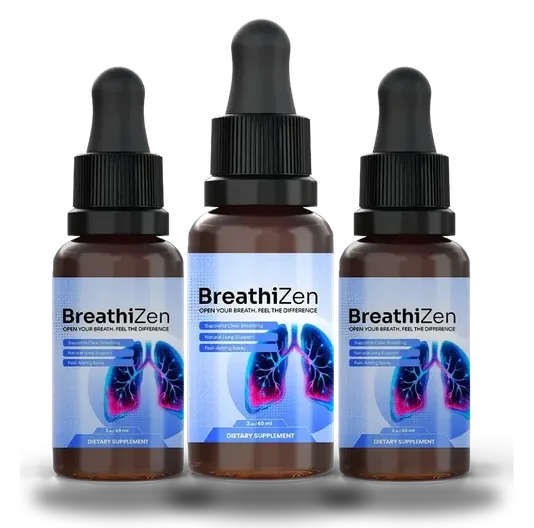
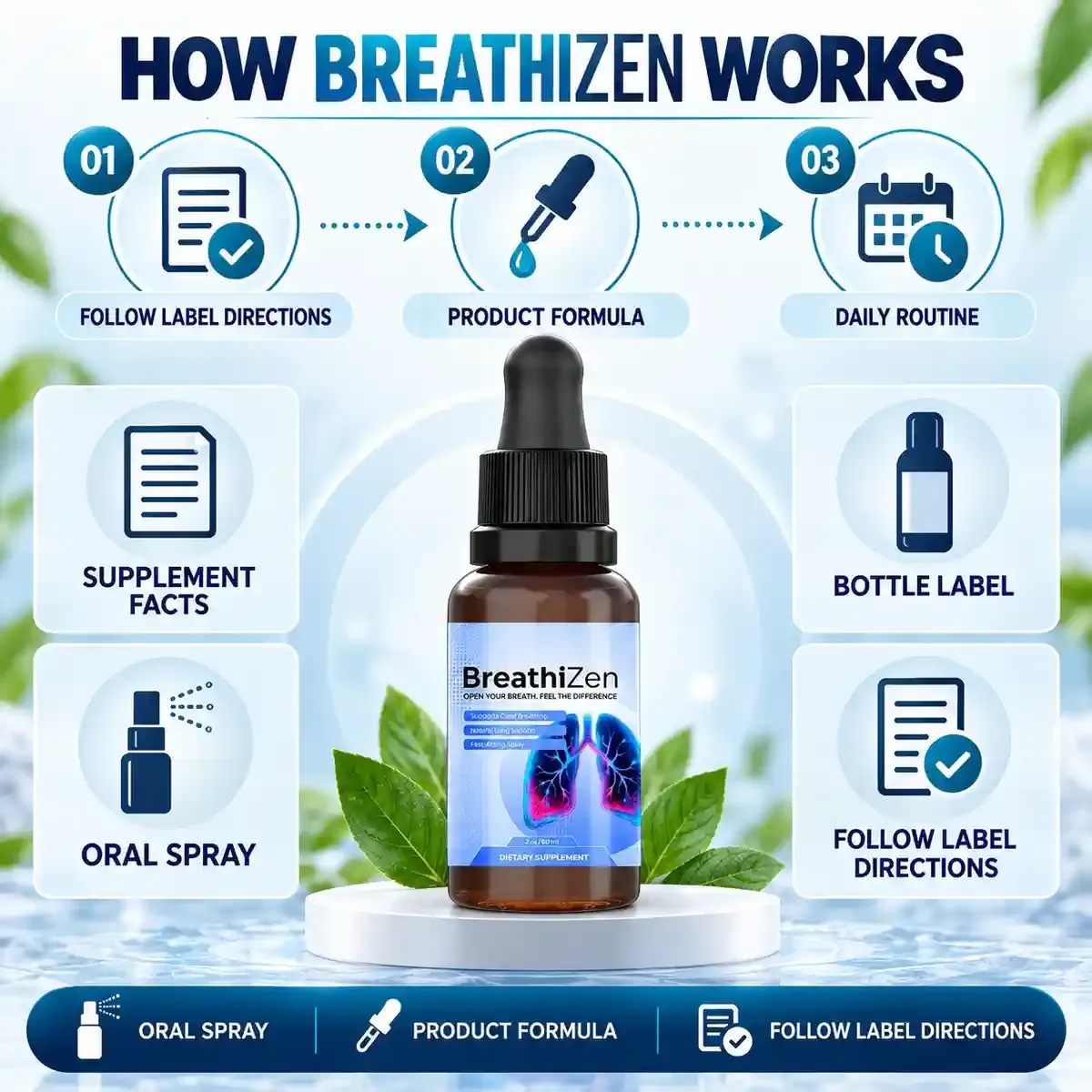
A supplement fits only after the basics, and only if you want one. Breathizen is an oral spray for adults, sold for breathing comfort. The sales FAQ says to shake the bottle and spray 4 pumps (0.60 mL) into the mouth once a day.
It names five ingredients: mullein leaf, ginger root, bromelain, organic lemon and organic Cordyceps militaris. You can read each one on the ingredients page.
Honest note
No amounts are published for the five extracts, and no trial of the spray itself has been published. The ingredient studies are mostly lab work or small trials at other doses. That is why we call it a small daily extra, not a fix.
What works in its favor
- A simple 4-pump morning habit
- No pills or water needed
- Clear per-bottle prices
- A 60-day satisfaction window
What to weigh first
- No ingredient amounts published
- No published trial of the spray
- Cordyceps and bromelain carry cautions
- Never a replacement for an inhaler or treatment
Use the quick check below to see whether you should talk to a doctor first. Then read the side effects page and the how to use page before ordering.
Are you an adult, 18 or older?
Breathizen is sold for adults; follow the label.Do you use an inhaler or take asthma or COPD medicine?
Keep using it exactly as prescribed. A supplement never replaces it; ask your doctor before adding anything.Do you get short of breath at rest, or have chest pain or bluish lips?
Those are warning signs. Get medical care now, not a supplement.Do you take blood thinners or diabetes medicine?
Cordyceps may affect bleeding and blood sugar. Ask your doctor first.Are you allergic to pineapple, ginger or mushrooms, or pregnant or nursing?
Bromelain comes from pineapple and cordyceps is a mushroom. Ask your doctor first.
Breathizen breathing guide FAQ: questions people ask
How can I breathe better at home?
Keep your home smoke-free, air out rooms when outdoor air is clean, and stay active every day. If you have a lung condition, practice the breathing skills your care team taught you.
How do you breathe better with COPD?
Take your COPD medicines exactly as prescribed and ask about pulmonary rehabilitation. Rehab teams teach breathing skills, such as pursed-lip breathing, and safe exercise.
How can I breathe better when running?
Slow down until you can speak in short sentences, and warm up for a few minutes first. If you have asthma, follow your action plan and carry your rescue inhaler if one is prescribed.
How can I breathe better at night?
Sleep with your head a little raised, keep the bedroom free of smoke and dust, and treat a blocked nose. Waking up gasping or very short of breath needs a doctor.
Is it better to breathe through your nose or mouth?
At rest, the nose is usually the better route because it filters, warms and moistens the air. During hard exercise most people need to use the mouth too, and that is normal.
How do you breathe better when you are sick with a cold?
Rest, drink fluids and sit upright when your chest feels tight. Call a doctor if breathing gets harder, you have a high fever that will not settle, or you have a lung condition.
What is the single most important thing for lung health?
Not smoking. The CDC says quitting helps your health at any age and lowers the risk of lung disease.
Can a supplement help me breathe better?
No supplement has strong evidence for better breathing. Breathizen is sold for breathing comfort, but no study of the spray itself has been published, so treat it as optional.
Can I use Breathizen with my inhaler?
Ask your doctor first, and keep using your inhaler exactly as prescribed. Breathizen is a dietary supplement, not a medicine, and it never replaces an inhaler.
Want a simple morning extra? Try Breathizen
Keep your care plan, then add 4 pumps once a day if you choose. From $49 a bottle on 6 bottles, with a 60-day satisfaction window.